Start with the machine identity
Send the manufacturer, model, serial number and build details. Include the machine nameplate and the assembly location so the enquiry can be checked against the correct machine version.
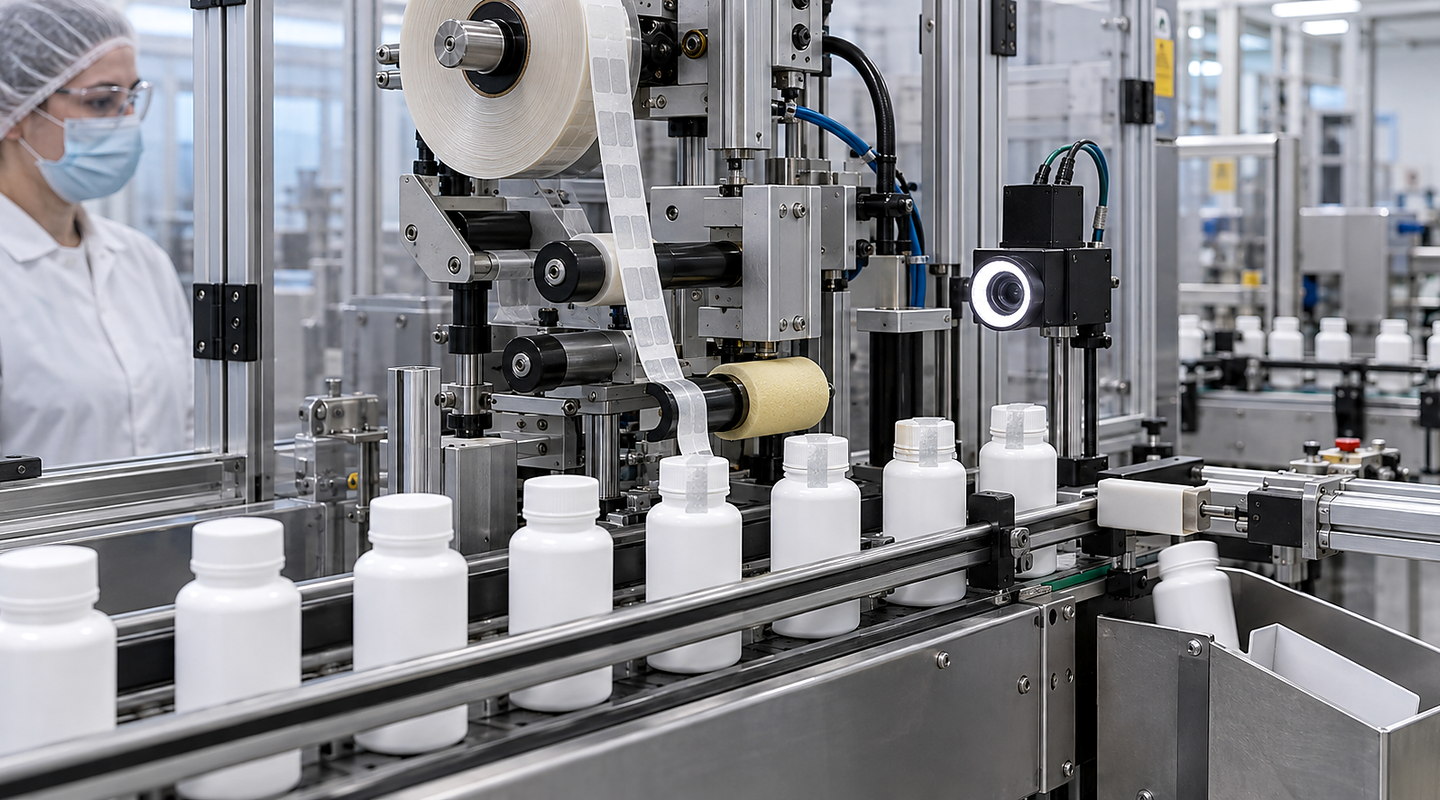
Identify packaging-machine spares by machine model, serial number, part number, drawing or revision, interfaces and the function affected. Compare original, engineered and repair routes using verified dimensions and records.
Speak directly with Lancing about packaging-machine spare parts.
Send the machine make, model and serial number, plus photographs of the part in position and any markings. Include measurements, drawings or manual references where available. Describe the fault and the machine configuration so that compatibility can be checked before a replacement is identified or ordered.

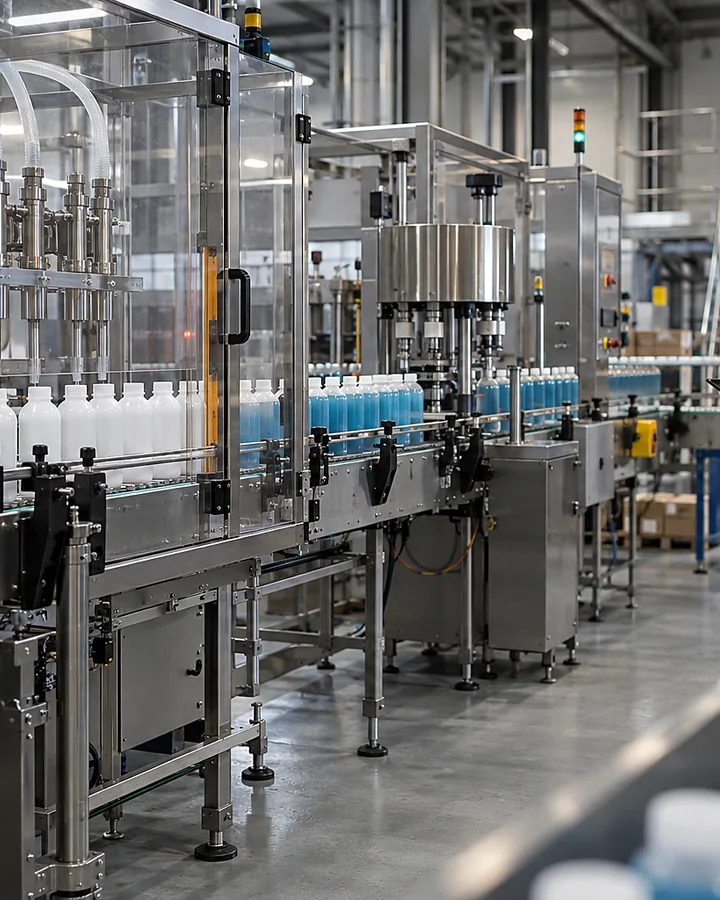
A useful spare-parts enquiry connects the machine identity, installed assembly and required function. A photograph alone rarely establishes all three.
Send the manufacturer, model, serial number and build details. Include the machine nameplate and the assembly location so the enquiry can be checked against the correct machine version.
Photograph the part in place and its labels or stamped references. Add a manual page, drawing number or bill-of-materials reference where available; distinguish a component number from an assembly number.
Record mounting points, connection sizes and relevant dimensions from verified information. For wear parts, distinguish the original intended dimension from the worn dimension of the failed sample.
Explain what the part moves, seals, detects or controls, and the conditions in service. A substitute needs to suit the function and rating as well as the mounting space.
Include recent changes, symptoms and the affected machine operation. Replacing a damaged part without understanding an upstream cause may leave the underlying problem unresolved.
Ask whether the proposal is an original part, an engineered replacement or repair of the existing item. Confirm revision, included accessories, verification work and current lead time for that specific route.
The right choice changes with machine manufacturer, model and serial number, part number, assembly, drawing and revision, your line layout and required results.
Mechanical fit alone does not establish electrical, pneumatic, software or safety-function compatibility. Have the affected interfaces checked against the exact machine and replacement specification.
Agree who installs the component and what tests demonstrate the affected function has been restored. Any safety-related change requires the appropriate competent assessment and validation.
Record the installed part number, revision, supplier information, drawings and test outcome. Separate confirmed spare references from merely similar items when building a planned spares list.
Use the packaging machine spares specification checklist to prepare the application, then agree the acceptance checks and production records before comparing proposals.
Your final solution for packaging-machine spare parts must reflect the law, current standards and site-specific risks that apply to your installation.