Machine Manufacturer, Model and Serial Number
Record the manufacturer, model and serial number from the machine nameplate or controlled records. Add the build details and affected assembly location where available.
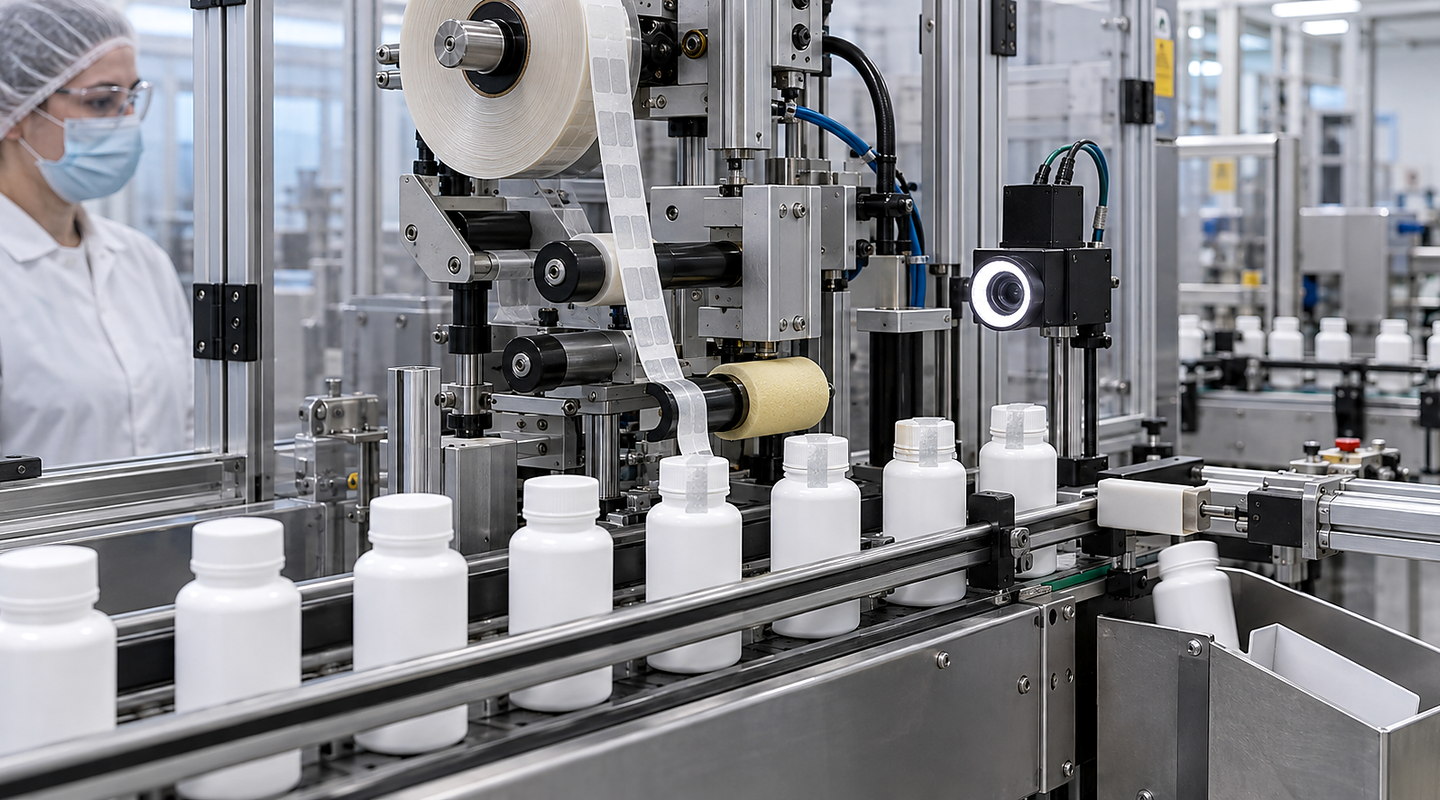
Plan replacement of identified packaging-machine wear, change or service parts around the machine identity, current part, drawings, dimensions, ratings and affected function, line connections, operating limits, acceptance checks and next steps.
For planned replacement of identified packaging-machine wear, change or service parts, start with the machine identity, current part, drawings, dimensions, ratings and affected function and your full operating sequence, then check revision differences, obsolescence, urgent supply and safety- or software-related interfaces before committing to a final layout.
Identify packaging-machine spares by machine model, serial number, part number, drawing or revision, interfaces and the function affected. Compare original, engineered and repair routes using verified dimensions and records.
Identify packaging-machine spares by machine model, serial number, part number, drawing or revision, interfaces and the function affected. Compare original, engineered and repair routes using verified dimensions and records. For planned replacement of identified packaging-machine wear, change or service parts, the deciding details include machine manufacturer, model and serial number, dimensions, material, finish, tolerance and rating and installation checks, affected safety functions and change records.
Ask about a spare part
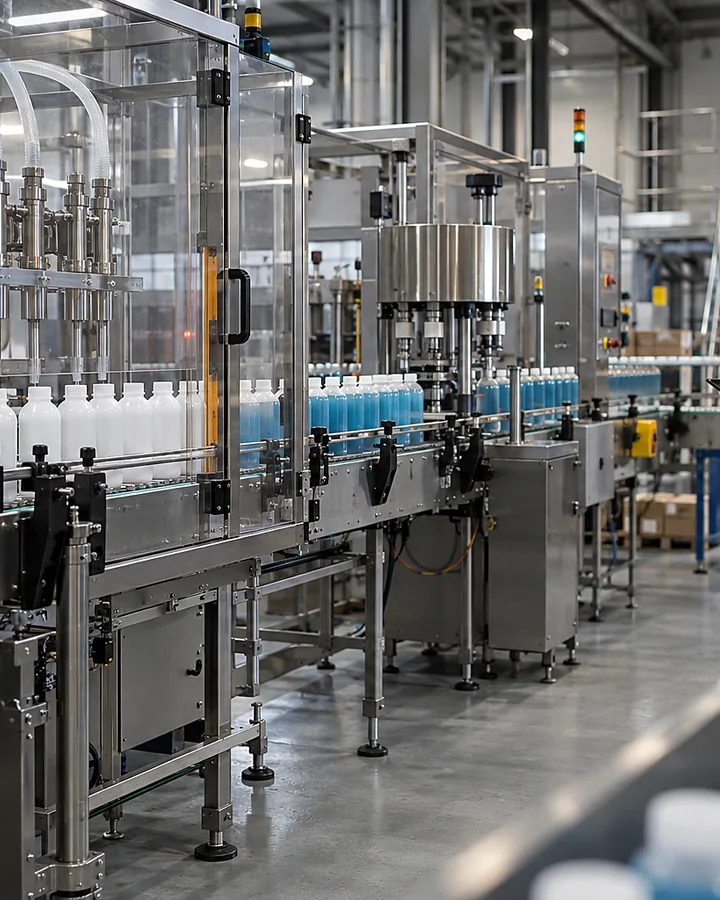
Record the manufacturer, model and serial number from the machine nameplate or controlled records. Add the build details and affected assembly location where available.
Provide the part or assembly number, drawing reference and installed revision. Include clear photographs of markings and any documented supersession; distinguish an assembly reference from a component number.
Separate verified drawing dimensions, materials, finish, tolerances and ratings from measurements of a worn sample. Mark unknown values instead of treating the damaged part as the original specification.
List the mechanical, electrical, pneumatic and software interfaces relevant to the part. Include the connection, supply, signal or configuration details that the replacement must satisfy, where applicable.
Describe the fault, production urgency, consequence of failure and whether the original part is available. State whether the enquiry concerns original supply, repair, refurbishment or an engineered alternative; availability and lead time still need confirmation.
State who will install and assess the replacement and which affected-function or safety checks are required. Retain the fitted part reference, revision, test outcome and approved change record.
Include safe removal, exact identification, compatibility review, delivery, installation and affected-function checks for planned replacement of identified packaging-machine wear, change or service parts. A visually similar part is not enough evidence of compatibility.
Confirm the exact machine, assembly, part reference and current condition for planned replacement of identified packaging-machine wear, change or service parts.
Check part number, assembly, drawing and revision and dimensions, material, finish, tolerance and rating against verified records and the installed interfaces.
Define competent installation, safe return to service and the evidence required for installation checks, affected safety functions and change records.
Compare with Obsolete or Unavailable Components Requiring Engineered Replacement, Repair or Refurbishment if that operating pattern is closer to your application.